Why Lighting Should Be Designed Before Construction
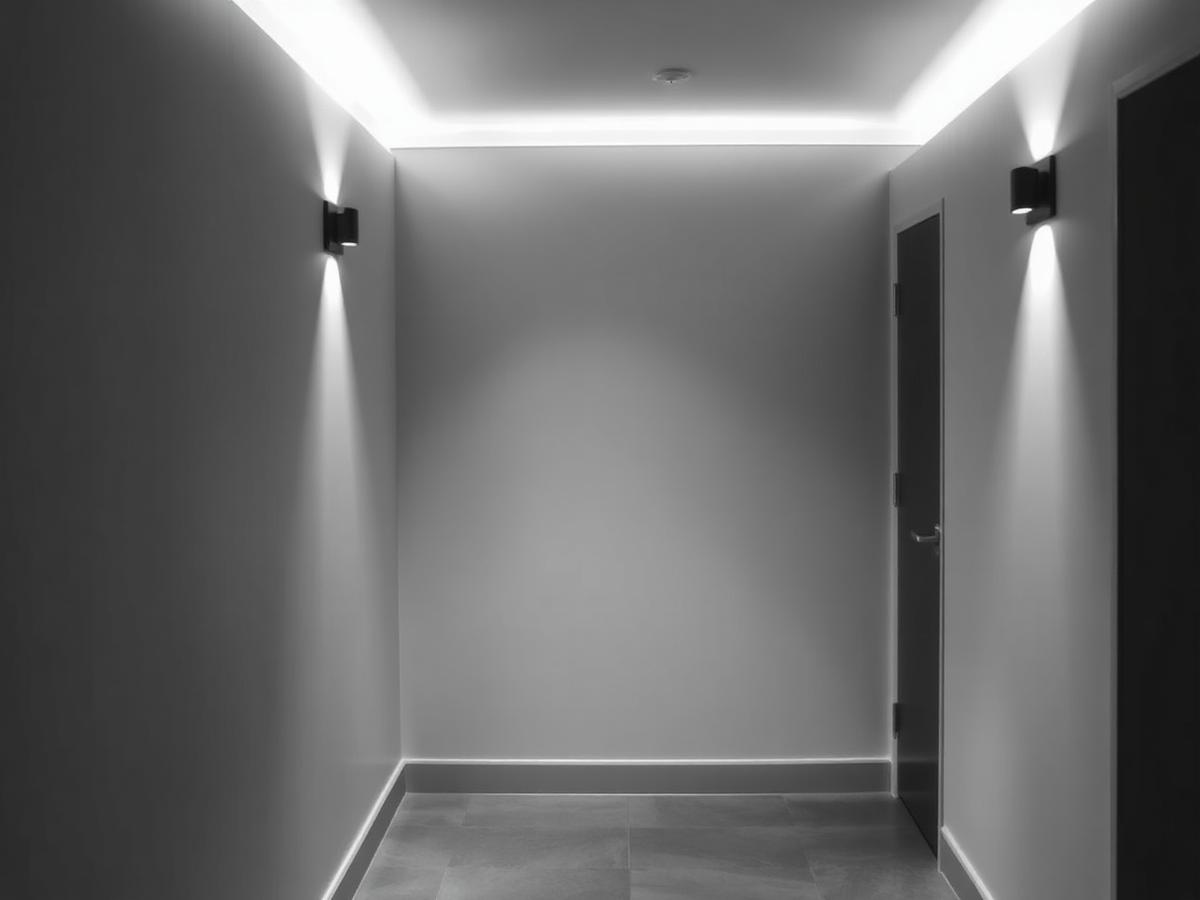
Lighting is architecture. Designed after first fix, it becomes a compromise you live with every evening.
The problem with deciding later
On a renovation, cables are run at first fix, long before the walls are finished. If lighting has not been designed by then, the electrician has to guess, and the result is usually a grid of ceiling downlights and switches in convenient rather than useful places. Lighting designed early becomes part of the architecture; lighting decided late is something you live around.
Think in layers
One bright central fitting rarely does every job well. Plan each room in layers, ideally on separate circuits, so the mood can change without changing the room.
- Task light: where people cook, read, work or apply make-up.
- Ambient light: soft general light that makes the room comfortable.
- Accent light: highlighting a texture, artwork, joinery or a garden view.
Place switches for how people move
Walk through each room as you would on a dark evening. Where do you enter? Where do you leave? Switches should fall naturally to hand, and two-way switching on stairs and in long rooms saves daily irritation. Group switches neatly so walls stay calm.
Coordinate concealed lighting with joinery
Concealed strips in shelving, under wall units or in shadow gaps can be beautiful, but they need planning. Drivers need a home, cables need a route, and fittings need access for future maintenance. Coordinate these details with the joiner and electrician before manufacture begins.
A practical example: a lit niche in a bathroom looks effortless only when its depth, the tile layout and the position of the strip have been drawn together.
Test finishes under the light they will receive
A surface that looks warm in daylight may read cooler or flatter at night. Look at paint, stone and timber samples under the colour temperature you plan to use. The lighting scheme and the material palette should be chosen together.
A short pre-first-fix checklist
Before the electrician starts, have a lighting plan for each room showing fittings, circuits and switches. Confirm it on site with a walk-round. How to Make a Luxury Home explores how light, material and proportion work together to create a calm, considered home.