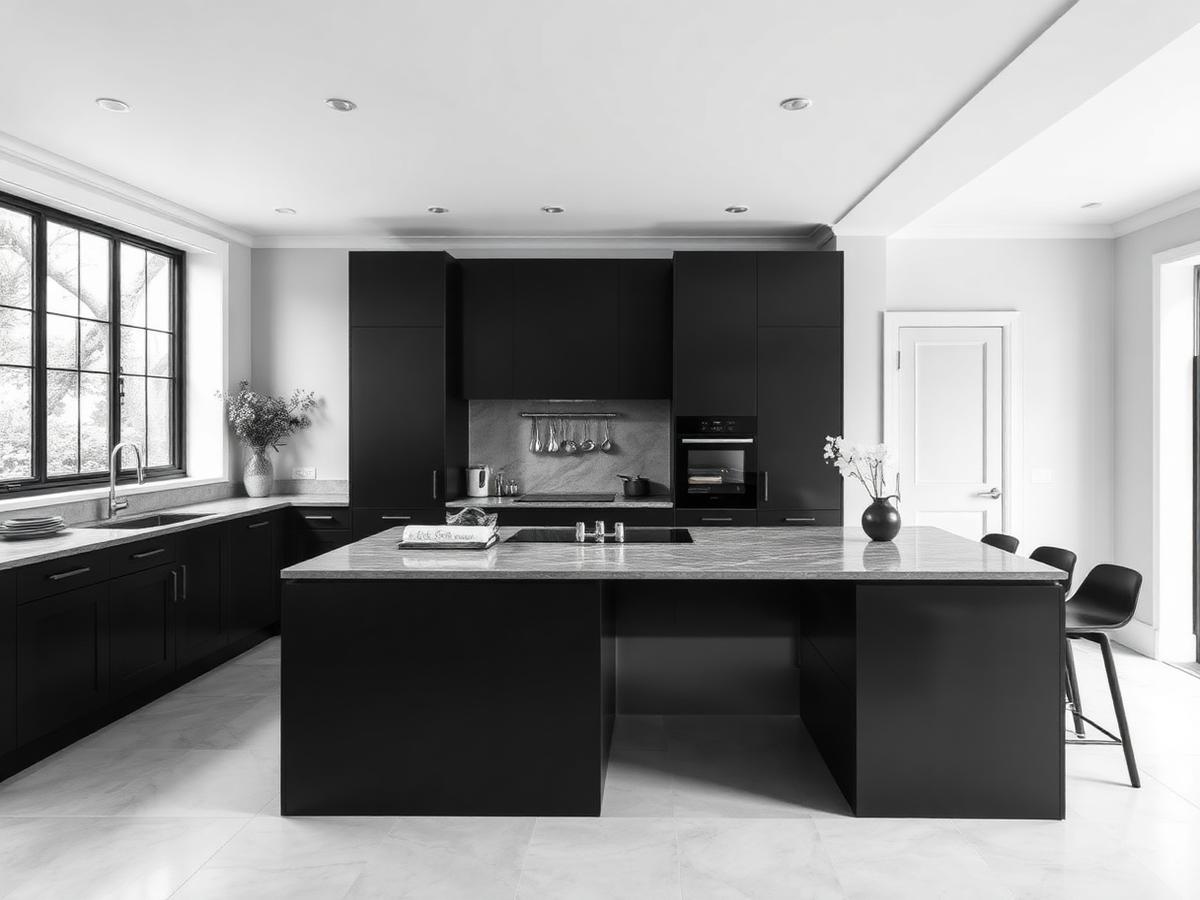
Choosing the Right Worktop for Your Kitchen
Stone, sintered surfaces and timber each behave differently in daily use. Choose for the life of the household.
Start with how the kitchen is used
The right worktop is the one that suits the household, not the one that photographed best. Before looking at samples, be honest about daily life: how much cooking happens, whether children use the island for homework, how hot pans are handled and how much maintenance you are willing to do.
Understand the main material families
Each family behaves differently. Always ask for the manufacturer's or supplier's care guidance for the specific product, because performance varies within each category.
- Natural stone: every slab is unique; some stones need sealing and more careful care with acids and stains.
- Engineered stone: more consistent in appearance; check the supplier's guidance on heat and cleaning.
- Sintered and porcelain surfaces: thin and hard-wearing; edge details and cut-outs need careful fabrication.
- Timber: warm and repairable; needs regular oiling and care around sinks.
See full-size samples in the room
A small chip sample cannot show the movement of a veined stone or how a pattern repeats. Where possible, view a full slab or a large sample and look at it in the kitchen, in daylight and after dark. Lighting changes how a surface reads more than most people expect.
Decide the edge and thickness early
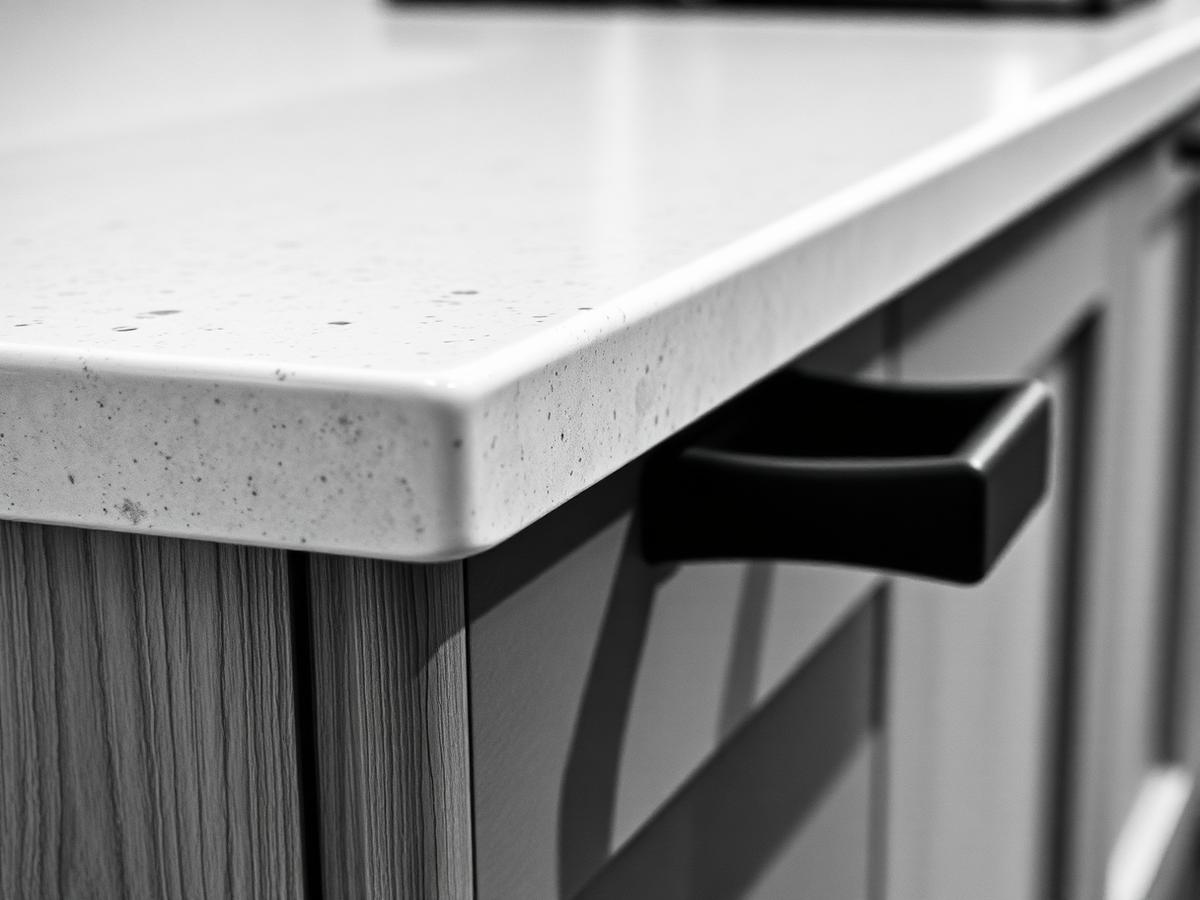
Edge profile and thickness affect the whole character of a kitchen. A slim square edge feels contemporary; a thicker edge can feel more solid and traditional. Decide this alongside the cabinetry drawings, because it influences door heights, handles and appliance alignment.
Plan joints and cut-outs
Long runs and islands may need joints. Ask your fabricator where they will fall and see them marked on a drawing. A joint placed beside a hob or in the middle of an island is avoidable with planning. The same applies to sink cut-outs, drainer grooves and tap holes.
Choose alongside everything else
A worktop is part of a palette. Lay the sample with the cabinetry door, the floor and the metal finish of taps and handles. If the worktop has strong pattern, let the other surfaces be quieter. If it is plain, a more characterful timber or stone floor can lead.
Kitchen, Living & Beyond covers worktops and material pairing in the context of the full kitchen sequence, so the choice is made at the right time rather than in isolation.