The Difference Between Expensive and Well Designed
Cost buys material. Design buys resolution. Only one of them is noticed every single day.
Money cannot fix a difficult room
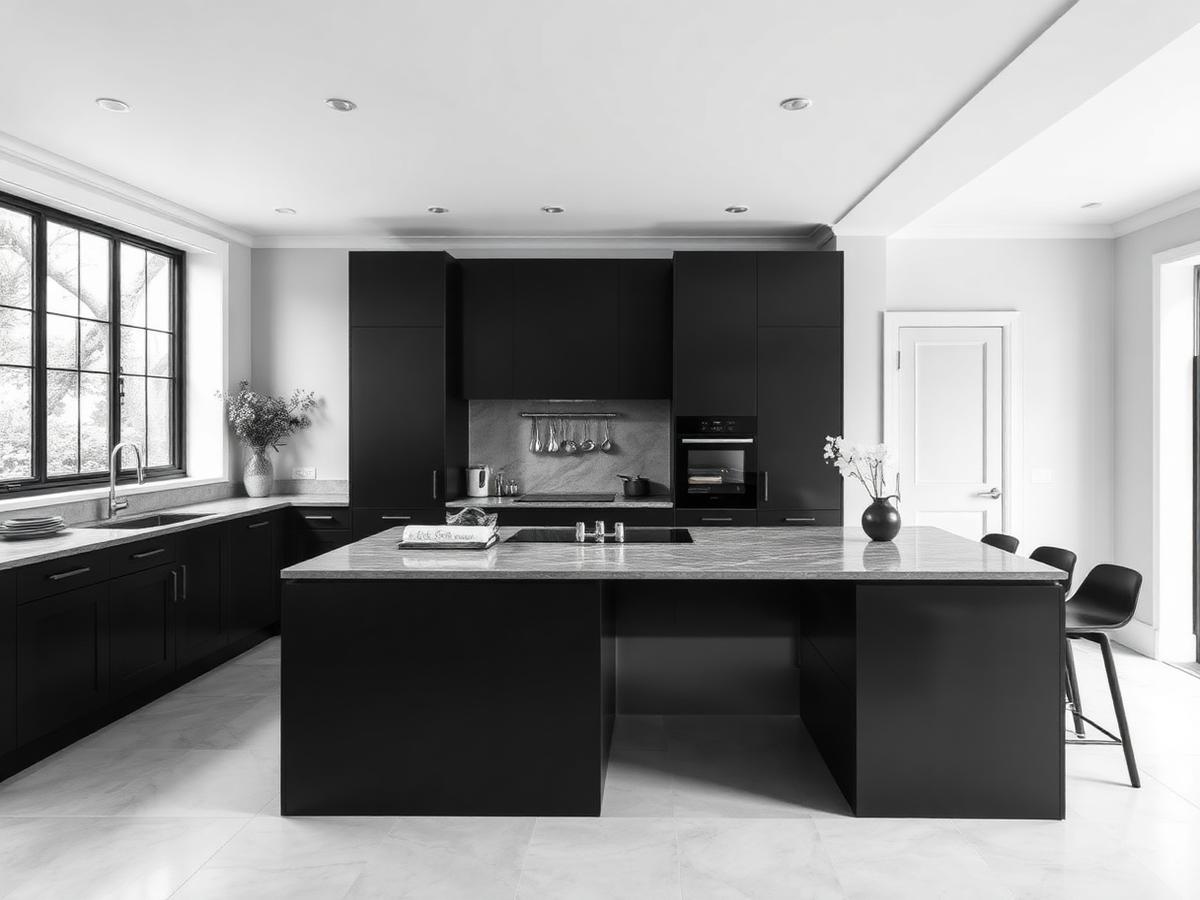
An expensive finish cannot correct a room that is awkward to use. If the sofa blocks the route to the garden, or the kitchen island leaves too little space to open the dishwasher, premium materials will only make the frustration more beautiful. The first design decisions are practical ones.
Start with the practical questions
Before thinking about materials, answer the basic questions for each room.
- Where do people move, and is the route clear?
- Where does daylight fall at different times of day?
- What needs storing, and where will it actually go?
- Which views are worth framing, and which should be screened?
Spend attention before money
Time spent resolving the layout and the relationships between materials is the most valuable investment in a project. Once the plan works, the choice of finishes becomes simpler, and money can be directed to the surfaces people touch and see every day.
Quieter can feel richer
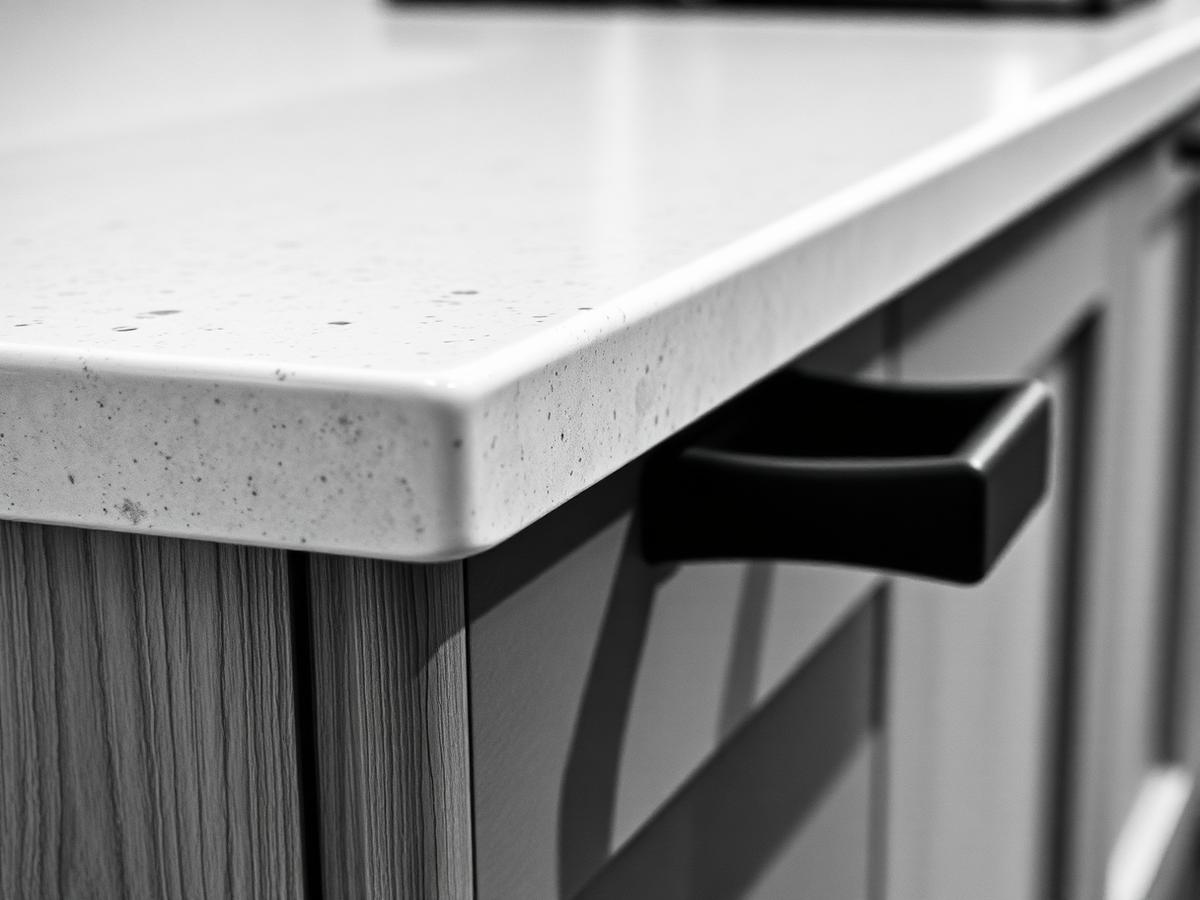
A restrained palette with precise proportions often feels more luxurious than a room full of statement pieces. When joints align, shadow gaps are consistent and storage is hidden, even modest materials look deliberate.
A practical example: a simple painted joinery wall with aligned doors and concealed handles can feel more considered than an expensive veneer cabinet with mismatched gaps.
Carry decisions through to the end
Good design is easy to lose in the final weeks of a project, when fatigue sets in and small compromises seem harmless. Snagging carefully — checking alignments, finishes and junctions — protects the design you worked hard to create.
Well designed is not a price category
It is the result of decisions made in the right order and carried through to the smallest visible detail. How to Make a Luxury Home develops this idea: luxury comes from proportion, consistency, restraint and care rather than cost alone.